As traditional cement substitutes such as fly ash and blast furnace slag become increasingly scarce, calcined clay is expected to play a key role in reducing the carbon footprint of the cement and construction sectors. Until now, however, there has been limited infrastructure available to develop and validate calcined clay technologies at pilot scale. The new Flash Calciner helps bridge that gap.
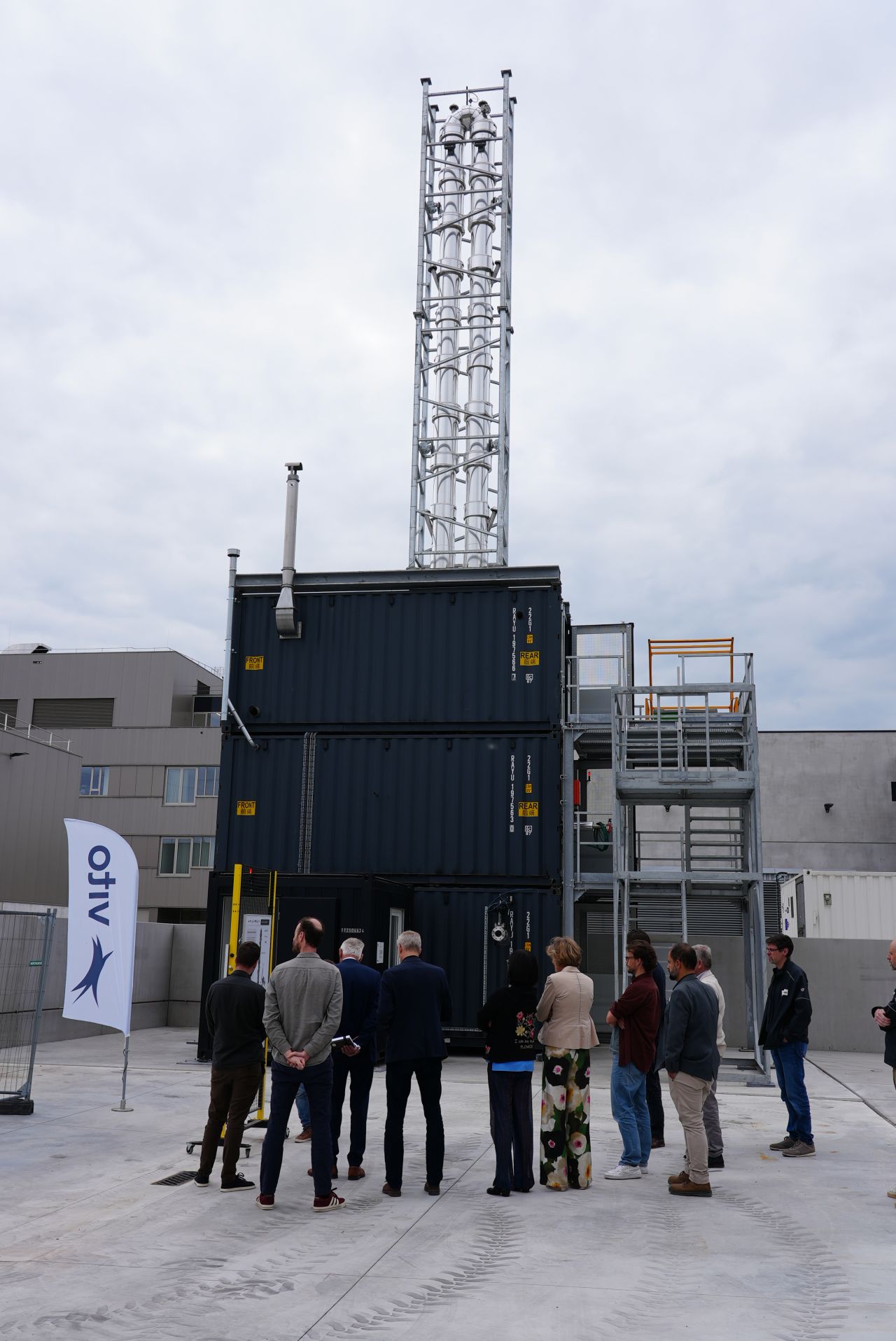
On 7 May 2026, VITO officially inaugurated its new Flash Calciner pilot installation in Mol, a unique research infrastructure dedicated to the development of low-carbon cement solutions. The Flash Calciner is designed to convert clay-rich residual streams, including dredged sediments, into calcined clay, a promising alternative to conventional cement clinker. By briefly heating these materials to temperatures between 600°C and 900°C, the installation produces high-quality supplementary cementitious materials while promoting circular resource use.
With its 25 kg/h processing capacity, 20-metre calciner loop and advanced emissions monitoring system, including PFAS sampling, the Flash Calciner provides researchers and industry stakeholders with a unique platform to develop, test and validate innovative low-carbon binders under realistic operating conditions.
The inauguration brought together representatives from VITO, VLAIO, the HELIOS Foundation and several research projects, including Interreg DepolLowC, highlighting the importance of collaboration in accelerating the transition towards more sustainable construction materials.
Program:
• Keynote by Prof. Ruben Snellings (KU Leuven);
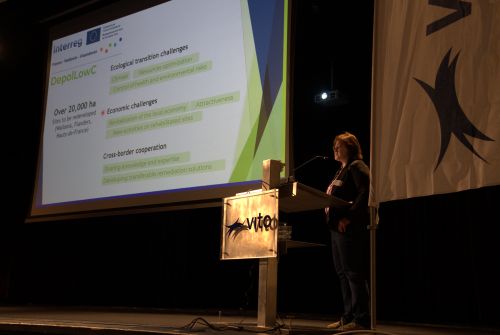
• Presentation of the research projects : VLAIO ICON CLEI, Interreg DepolLowC et Helios DeRisk BE SCM;
• Official opening ceremony by Inge Neven, CEO of VITO;
• Networking and guided tour of the facility.
Discover the presentation of the Interreg FWVl DepolLowC project